Recognizing the signs of gambling addiction A guide to awareness and recovery
Understanding Gambling Addiction
Gambling addiction, often referred to as compulsive gambling, is a serious mental health issue that can affect individuals from all walks of life. This condition manifests when a person feels an uncontrollable urge to gamble, despite the negative consequences it may bring. For those who enjoy gaming, exploring options like the fastest payout casino can add to the excitement, but it’s essential to recognize that gambling addiction is not merely about losing money; it can have devastating effects on personal relationships, mental health, and overall well-being.
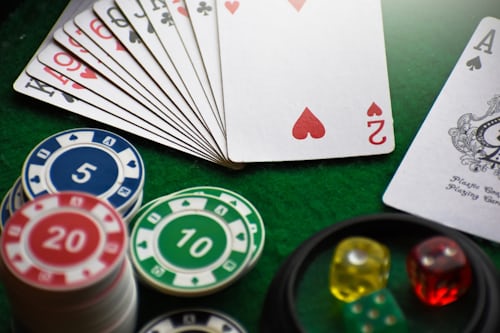
The symptoms of gambling addiction often develop gradually, making it challenging for individuals to identify the problem early on. Common signs include preoccupation with gambling, hiding gambling activities, and feeling restless or irritable when attempting to cut back. Understanding these signs is crucial for early intervention and recovery.
Recognizing the Signs
One of the first steps toward addressing gambling addiction is recognizing its signs. Emotional indicators can include feelings of anxiety or depression when not gambling. This emotional turmoil can lead individuals to gamble more frequently as a way to escape their feelings. Furthermore, a growing obsession with winning back lost money can trap gamblers in a vicious cycle, making it increasingly difficult to break free.
Behavioral signs may also surface, such as lying to friends and family about gambling habits or borrowing money to continue gambling. These behaviors not only harm the individual but can also strain relationships with loved ones, creating further emotional distress and isolation.
Consequences of Gambling Addiction
The consequences of gambling addiction extend beyond financial troubles. Individuals may experience significant disruptions in their personal and professional lives. They may neglect responsibilities, leading to job loss or academic failure, while also harming their relationships with family and friends. This impact can create a sense of hopelessness, further fueling the addiction.
Moreover, the mental health effects are profound. Many individuals suffering from gambling addiction may experience increased levels of stress, anxiety, and depression. In severe cases, these mental health issues can lead to thoughts of self-harm or suicide. Understanding these consequences is vital for anyone who suspects they or someone they care about may be struggling with this addiction.
Path to Recovery
Recovery from gambling addiction is possible, but it often requires a multi-faceted approach. Support groups, therapy, and counseling can provide invaluable assistance. Professional help often involves cognitive behavioral therapy, which helps individuals understand and change their gambling behaviors. Support groups such as Gamblers Anonymous can also offer a community of understanding and shared experiences, which is crucial for recovery.
Additionally, developing healthy coping strategies and finding alternative activities to replace gambling can be instrumental in maintaining sobriety. Individuals in recovery are encouraged to set realistic goals and gradually work towards them while celebrating small victories along the way. This approach can foster a sense of achievement and reinforce their commitment to recovery.

Seeking Help and Resources
If you or someone you know is struggling with gambling addiction, it’s essential to seek help. There are numerous resources available, including hotlines, counseling services, and support groups that specialize in gambling addiction. Taking the first step to reach out for help can be daunting, but it is crucial for recovery.
Awareness is the key to understanding gambling addiction, and having access to resources can make a significant difference. Whether through professional counseling or community support, a path to recovery is achievable. Remember, you are not alone in this journey, and there are people and programs willing to help you regain control of your life.